
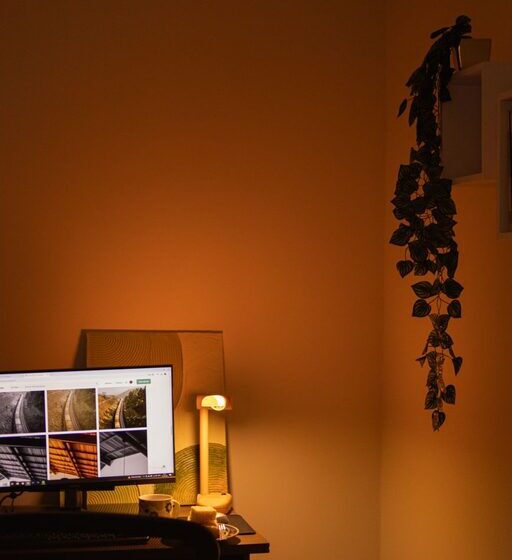

Creating a relaxing home office environment is essential for maintaining focus, reducing stress, and enjoying your workday — especially if you spend many hours at your desk. A well-designed workspace can make all the difference in how productive and comfortable you feel. Whether you’re setting up a new office or refreshing an existing one, here are some practical tips to help you create a calming and efficient home office.
Choose the Right Location
Find a Quiet Spot
Select a part of your home with minimal distractions and noise. Ideally, this space should be away from high-traffic areas like the kitchen or living room to help you maintain concentration.
Take Advantage of Natural Light
Position your desk near a window if possible. Natural light can elevate your mood, reduce eye strain, and create a more inviting atmosphere. If natural light is limited, consider adjustable LED lamps that mimic daylight.
Invest in Comfortable Furniture
Ergonomic Chair
An ergonomic chair that supports your back is a must. It helps prevent posture problems and discomfort during long working hours.
Desk Size and Height
Choose a desk that fits your space and provides enough room for your computer, paperwork, and other essentials. Ensure the desk height allows your arms to rest comfortably while typing.
Declutter and Organize
Keep Essentials Handy
Limit your desktop to the most important tools and supplies. A clutter-free desk can reduce distractions and improve mental clarity.
Use Storage Solutions
Incorporate shelves, filing cabinets, or desk organizers to keep papers and office supplies neatly stored. Labeling storage containers can save time when searching for items.
Add Calming Elements
Soothing Colors
Select colors that promote relaxation and focus, such as soft blues, greens, or neutrals. You can incorporate these through wall paint, decor, or accessories.
Plants and Greenery
Indoor plants can improve air quality and add a touch of nature, which is proven to reduce stress and increase well-being.
Personal Touches
Add framed photos, art prints, or meaningful objects that inspire you but avoid overcrowding the space.
Manage Lighting Effectively
Layer Your Lighting
Use a combination of ambient lighting, task lighting, and accent lighting. For example, pair an overhead light with a desk lamp and perhaps a softer lamp to create a balanced, comfortable glow.
Avoid Harsh or Flickering Lights
Bright or flickering lights can cause eye strain and headaches. Opt for LED lights with adjustable brightness and temperature settings.
Minimize Noise Distractions
Soundproofing Strategies
If outside noise is an issue, try noise-canceling headphones or install soft furnishings like rugs, curtains, or acoustic panels that absorb sound.
Background Sound
Some people find playing low-volume instrumental music or white noise helpful to maintain focus.
Maintain Proper Air Quality
Ventilation
Keep your office well-ventilated by opening windows or using an air purifier. Fresh air can keep you alert and comfortable.
Avoid Overheating or Overcooling
Set your heating or cooling to a comfortable temperature to avoid distractions caused by discomfort.
Establish a Routine and Boundaries
Schedule Breaks
Regular breaks are vital for mental and physical health. Use reminders to stretch, hydrate, or step outside for a few minutes during your workday.
Set Work Hours
Sticking to a consistent work schedule helps maintain work-life balance and signals to others when you’re focused.
Use Technology Wisely
Cable Management
Organize your cables with clips or sleeves to avoid tangles and keep the desk tidy.
Tools for Productivity
Use apps and tools that help you stay organized, such as task managers or calendars, but avoid screen overload that can cause distraction.
Keep It Clean
Daily Tidying
Spend a few minutes at the end of each day to clear your desk and prepare for tomorrow. A neat environment can help you start each day with a fresh mindset.
Regular Deep Cleaning
Wipe down surfaces and dust electronics weekly to maintain hygiene and prevent allergens.
—
Creating a relaxing home office is about balancing functionality with comfort. By paying attention to details like lighting, furniture, organization, and personal touches, you can craft a workspace that supports your productivity while helping you feel calm and focused throughout the day. Start small and adjust your environment as needed until it perfectly fits your needs.