
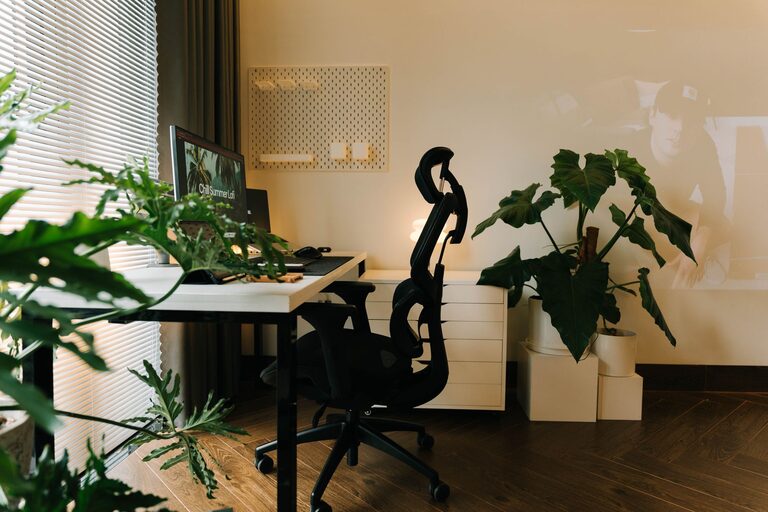

Creating a cozy and inviting home office space is essential for making your work-from-home experience enjoyable and productive. When you feel comfortable and inspired by your surroundings, it’s easier to focus and stay motivated throughout the day. Whether you have a dedicated room or a small corner in your living area, there are several ways to design a workspace that welcomes you every time you sit down to work.
In this post, we’ll explore practical tips and ideas to help you create a home office that’s both stylish and functional.
1. Choose the Right Location
The first step in setting up a cozy home office is picking the right spot. Ideally, find a quiet area with minimal distractions and enough space for your desk and equipment.
– Natural Light: A spot near a window is perfect because natural light can boost your mood and reduce eye strain.
– Privacy: If possible, select a location that allows some separation from household noise and activity.
– Ventilation: Fresh air keeps the space comfortable and invigorating, so consider a room with good airflow.
2. Invest in Comfortable Furniture
Comfort is key to maintaining focus, especially when you spend long hours working.
– Ergonomic Chair: Choose a chair that supports your posture and allows you to sit comfortably for extended periods.
– Functional Desk: Select a desk that fits your space and provides enough surface area for your computer, accessories, and notes.
– Adjustable Options: Consider desks or chairs that can be adjusted in height to fit your body properly.
3. Add Soft Textiles for Warmth
Textures and textiles can soften the space and make it feel more like a relaxing part of your home.
– Area Rugs: A cozy rug under your desk or chair adds warmth and reduces noise.
– Throw Blankets: Keep a soft blanket handy for chilly days.
– Cushions: Decorative seat cushions can add comfort and style.
4. Use Warm Lighting
Lighting plays an important role in creating a welcoming ambiance.
– Desk Lamps: A stylish lamp with adjustable brightness helps reduce eye strain and adds coziness.
– Warm Bulbs: Choose LED bulbs with warm color temperatures (around 2700K to 3000K) for a soft glow.
– Layered Lighting: Combine overhead lights with task lighting to avoid harsh shadows.
5. Personalize Your Space
Add items that inspire and motivate you, making your workspace feel uniquely yours.
– Artwork: Hang prints, paintings, or photos that make you smile or spark creativity.
– Plants: Indoor plants bring life and improve air quality. Easy-to-care-for varieties like succulents or pothos are great choices.
– Inspiration Boards: Pin up quotes, goals, or sketches to keep focus and enthusiasm high.
6. Keep It Organized
A cluttered workspace can be distracting. Organization system helps to maintain focus and create a peaceful atmosphere.
– Storage Solutions: Use shelves, drawers, or baskets to keep supplies neatly stored.
– Cable Management: Keep cords tidy with clips, sleeves, or cable boxes.
– Minimalism: Only keep essential items on your desk to reduce visual clutter.
7. Optimize Technology Setup
Your tech setup should support your workflow without adding stress.
– Monitor Placement: Place your screen at eye level to reduce neck strain.
– Accessories: Use quality keyboards, mice, and headphones that feel comfortable to use.
– Connectivity: Ensure your internet connection is reliable to avoid interruptions.
8. Incorporate Calming Scents and Sounds
Sensory elements can improve comfort and concentration.
– Aromatherapy: Use subtle scents like lavender or eucalyptus through candles, diffusers, or sachets.
– Sound Machines: White noise or gentle background music can mask distracting sounds.
– Plants: Besides visual appeal, some plants also provide mild, natural fragrances.
9. Maintain Good Air Quality
Good air quality helps sustain energy and focus.
– Regular Ventilation: Open windows when possible for fresh air circulation.
– Air Purifiers: These can reduce allergens and pollutants, especially if you work in a closed room.
– Houseplants: As mentioned, some plants help purify the air naturally.
10. Set Boundaries
Creating a distinct workspace in your home helps separate work time from relaxation.
– Visual Boundaries: Use room dividers, curtains, or rugs to define your office area.
– Routine: Develop start and end-of-day rituals to transition in and out of work mode.
– Signage: If sharing your home, a simple sign can inform family or roommates of your busy time.
—
Final Thoughts
Designing a cozy and inviting home office doesn’t have to be complicated or expensive. The key is to focus on comfort, personalization, and functionality. By combining the right elements—comfortable furniture, soft lighting, organized storage, and a personal touch—you can create a workspace that feels like a welcoming retreat where productivity and well-being thrive.
Enjoy making your home office your favorite place to work!